AI-Driven Control Center
Unified, predictive visibility across an entire semiconductor test line.
Problem Statement
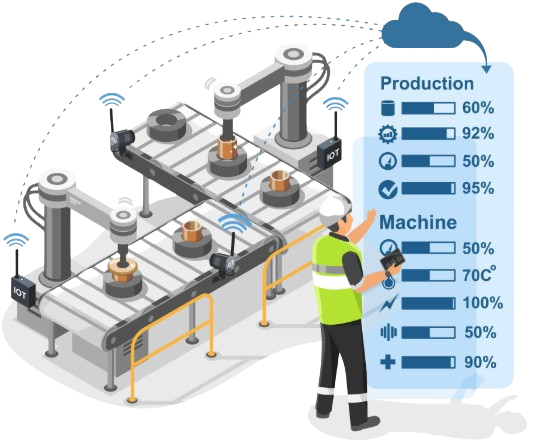
Testing thousands of units per hour conceals silent hardware wear (e.g., pin wear-out, weak contacts). Relying on manual checks hides the damage until severe yield drops and costly downtime have already occurred.

Objective & Core Value Proposition
Prevent yield drops before they occur. Replaces slow manual checks with instant AI visibility, guiding engineers directly to hardware wear before it impacts output.

How It Works

Consolidate the data
Data from testers, handlers, loadboards and sockets is pulled into one unified view.

Cross-reference against history
Live test signals and component usage are continuously checked against thousands of historical failure patterns.
Predict & pinpoint
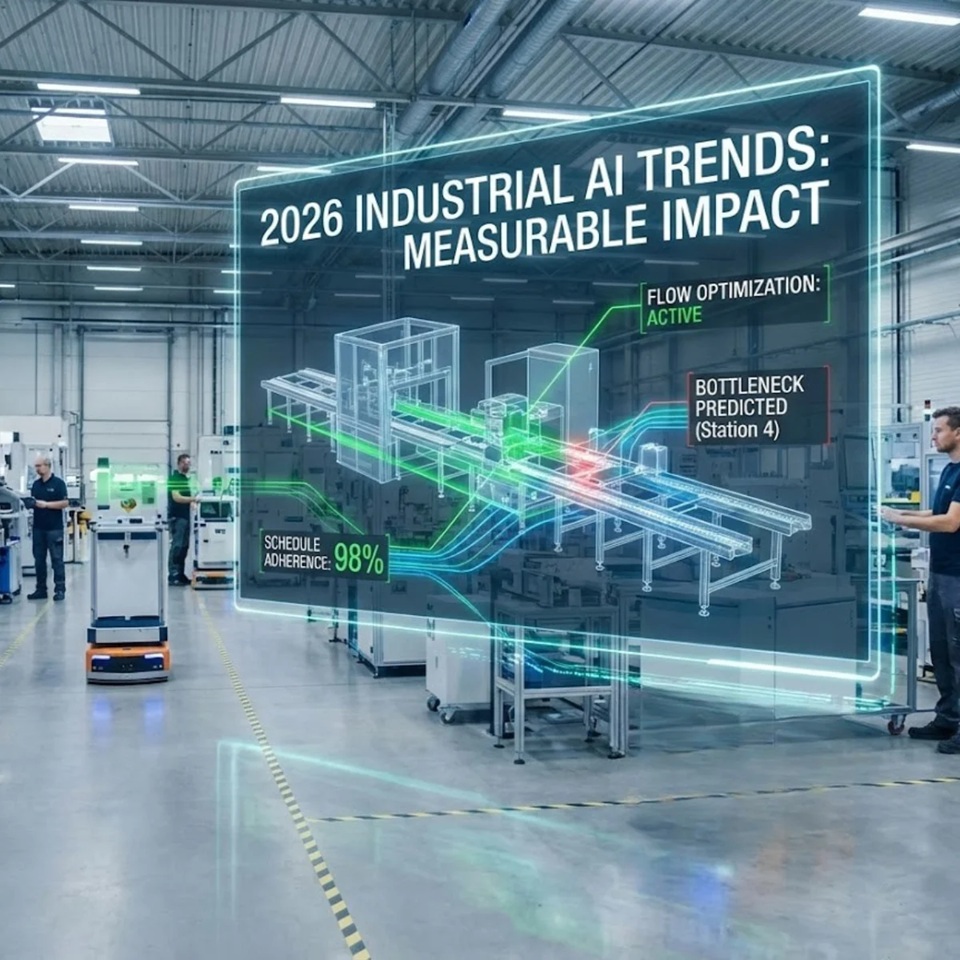
The system predicts degradation before it happens and pinpoints the exact root cause.
Key Functions & Use Cases
Real-Time Unified Monitoring & Early Warnings
Early-warning flags fire even when overall yield still looks healthy.
Focused Troubleshooting & AI Assist
Narrows an alert down to a specific component and gives precise repair instructions.
Condition-Based Predictive Maintenance (PM)
Tracks actual hardware wear instead of relying on fixed calendars.
AI-Driven Hold Lot Disposition
Analyzes held lots to recommend exact actions (Release, Re-Test, Maintenance, or Scrap) based on root-cause predictions.
Production Planning Optimization
Optimizes equipment scheduling and hardware setup based on live availability and predictive health scores.
UI/UX & Dashboard Highlights
Executive Production Overview
Displays real-time throughput vs. target UPH alongside live yield summary charts.
Color-Coded Station Grid
Instant factory-wide view categorized by status—Running (Blue), Warning (Red), Urgent Lot (Purple), and Maintenance (Yellow).
Granular Diagnostic Views
Visual breakdowns of Handler, Tester, Loadboard, and Socket components with "AI Prediction Risk" badges and an interactive socket pin map.
High-Impact Forecasting Panel
Compares expected recovery against the cost of taking no action.